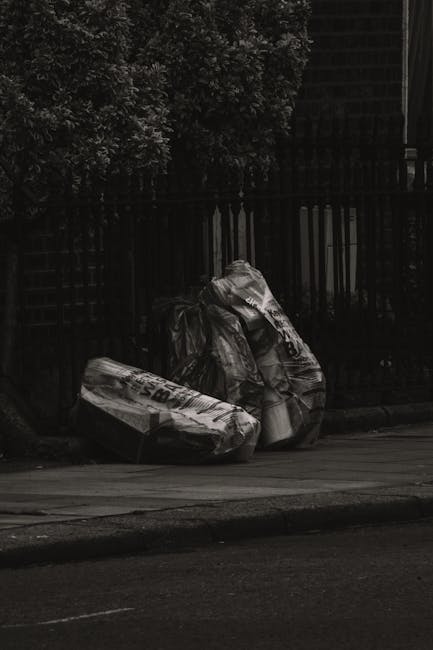
Charlton SE7 rubbish removal for homes near the station
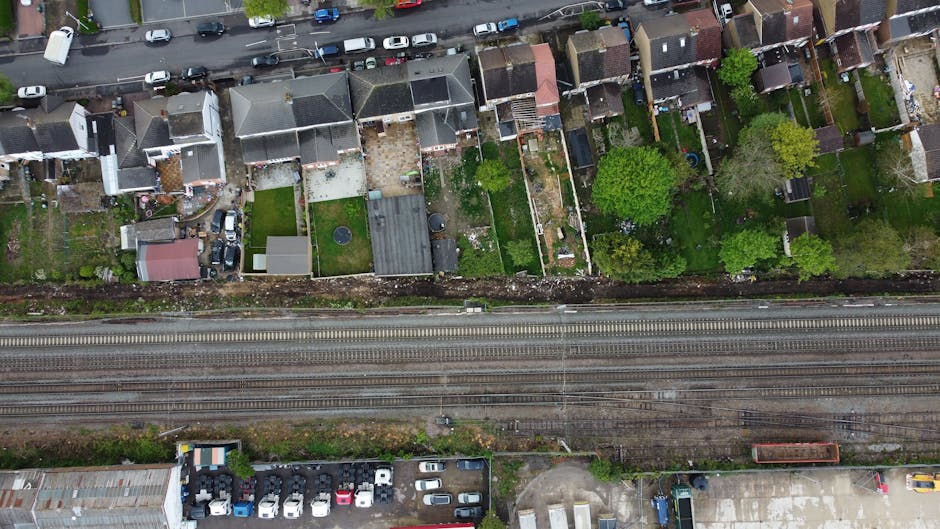
If you live near Charlton station, you already know the trade-off: great transport links, busy pavements, tight parking, and not a lot of room for a pile of broken furniture, old boxes, or garden waste to sit around. Charlton SE7 rubbish removal for homes near the station is about making that everyday problem simple, safe, and tidy. Whether you are clearing a flat, tackling a loft, or getting rid of a few bulky items before the weekend, a good clearance plan can save a lot of stress.
This guide explains how the service works, what to expect, when it makes sense, and how to avoid the common headaches that catch people out. You will also find a practical checklist, a comparison of options, and a few real-world pointers that matter when you're working in a busy local area. Let's face it, rubbish is never glamorous. But getting rid of it properly can feel oddly satisfying.
Why Charlton SE7 rubbish removal for homes near the station Matters
Homes near the station tend to deal with a particular kind of clutter pressure. People move in and out more often, flats are often smaller, and waste can build up fast during decorating, end-of-tenancy clearances, or just normal family life. Add in the reality of shared entrances, narrow streets, and neighbours who quite rightly do not want a mattress leaning against the wall for three days, and you can see why fast removal matters.
There is also the practical side. If rubbish blocks hallways, balconies, or communal access routes, it becomes more than an eyesore. It can create a fire risk, attract pests, and make day-to-day life less pleasant. That is especially noticeable in properties where people are coming and going at all hours, with bags, prams, shopping, and bikes all sharing the same space. A clean, clear entrance just makes the whole place feel calmer.
For homeowners, landlords, and tenants in SE7, the value of rubbish removal is not only in tidying up. It is in getting your space usable again without turning your week upside down. That can mean removing a sofa before a delivery arrives, clearing a garage after a long winter, or emptying a flat after a move. Small jobs can become big jobs quickly. They always do, somehow.
It also matters because waste has to go somewhere sensible. Dumping items in the wrong place or leaving them outside for collection without planning can create problems with neighbours, property management, or local enforcement. A proper clearance service helps you stay organised and avoid that awkward, last-minute scramble.
Expert summary: near Charlton station, rubbish removal works best when it is quick, discreet, and planned around access. The right approach keeps communal areas clear, protects your time, and prevents avoidable mess from spreading into the rest of the week.
How Charlton SE7 rubbish removal for homes near the station Works
In most cases, domestic rubbish removal follows a straightforward process. You make an enquiry, describe what needs taking away, agree the collection details, and the waste is removed from your property. The best services keep it simple because, frankly, nobody wants a complicated clearance for a pile of old chairs and mixed junk.
For homes near the station, the first step is usually access. Can a van park nearby? Is the rubbish on the ground floor, upstairs, in a loft, or in a rear garden? Is there a lift? Are there parking restrictions at certain times? These details matter more than people think. A collection that looks easy on paper can be awkward if there is nowhere to stop or no clear route through a stairwell.
Next comes the sort-and-load stage. Items are normally assessed for reuse, recycling, or disposal. That may include general household waste, furniture, old appliances, loft contents, garage clutter, garden trimmings, or post-renovation debris. Some categories need special handling, so it is worth being upfront. If you are unsure whether something is suitable, a service such as general waste removal or a more specific option like house clearance can help you match the job to the right method.
When items need careful handling, specialist services can be the safer route. For example, bulky furniture may be better handled through furniture disposal or furniture clearance, while old white goods may fit better with fridge and appliance removal. The point is not to overcomplicate things, but to make sure the waste goes the right way first time.
One small but important detail: if your rubbish includes items that could be hazardous, heavy, or awkward, say so early. That avoids delays on the day and helps the team bring the right equipment. A little upfront honesty saves everyone a headache. Truth be told, it usually does.
Key Benefits and Practical Advantages
There are plenty of reasons homeowners near Charlton station choose a professional rubbish removal service instead of trying to tackle everything themselves. Some are obvious. Others only become obvious after you have hauled three broken wardrobes down the stairs and realised the car is too small.
- Speed: waste can be cleared far faster than a DIY run to the tip, especially if you have a busy week.
- Less lifting: heavy, awkward, and dusty items are handled for you, which matters in flats and upper floors.
- Better planning: collections can be arranged around access, parking, and your schedule rather than around whatever space you can find in the boot.
- Cleaner finish: the property is left more usable, which is especially helpful before a move, sale, or refurbishment.
- Reduced stress: fewer trips, fewer decisions, fewer chances to leave something behind.
- Improved recycling focus: responsible services sort waste with reuse and recycling in mind where possible.
There is also a subtle benefit that people often underestimate: momentum. Once the rubbish is gone, you can actually see the room again. That changes how you feel about the rest of the task. A cluttered loft becomes a project. A cleared loft becomes a space with options. Sounds obvious, but it makes a real difference.
If you are planning broader clear-out work, it can be smart to combine rubbish removal with related services. For example, a home clearance or loft clearance may suit a bigger job better than handling items piecemeal. The same goes for outdoor space, where garden clearance can turn a messy corner into usable space very quickly.
Who This Is For and When It Makes Sense
This kind of rubbish removal is useful for a wide mix of households. It is not just for people doing a major renovation. In fact, some of the most common jobs are fairly ordinary: old mattresses, a few worn-out cabinets, a pile of cardboard, broken shelving, or the contents of a shed that has slowly become a dumping ground.
It makes sense if you are:
- moving home and want to leave the place neat
- moving into a new property and inheriting unwanted items
- clearing a flat near the station where access is tight
- refreshing a room before decorating or renting it out
- dealing with loft, garage, or cellar clutter
- getting rid of old furniture that is too bulky for normal bins
- handling post-renovation waste from a small home project
Landlords and letting agents often need this kind of support between tenancies. A left-behind pile of things can slow everything down, and in a busy rental market that is the last thing anyone wants. Families use it too, especially when life gets ahead of them for a while. No judgement. Homes accumulate stuff. It is what homes do.
If your situation is more about separating out a specific type of waste, there are targeted options that can help. For example, garage clearance works well where the problem is mostly stored items, while mattress and sofa disposal is handy for bulky single items that are awkward to move safely on your own.
Step-by-Step Guidance
If you want the process to run smoothly, a little preparation goes a long way. Here is a simple, practical way to approach it.
- Walk through the space. Make a quick list of what actually needs going. Be specific. "Rubbish" is useful as a general label, but it helps to know whether you mean bags, timber, furniture, or mixed items.
- Separate special items. Put aside anything that might need special handling, such as appliances, mattresses, confidential paperwork, or potentially hazardous materials.
- Check access. Think about parking, stairs, entrances, and any time restrictions near the station. If there is an awkward gate or narrow alley, mention it.
- Choose the right service. A small household load may fit a general waste removal booking, while a bigger end-of-tenancy clear-out may suit flat clearance or house clearance.
- Ask about recycling and handling. It is fair to want your waste dealt with properly. Good services should be clear about their approach.
- Confirm pricing and timing. Make sure you understand what is included before collection day, especially if access is tight or the load is larger than expected.
- Clear a path. If possible, move smaller items out of the way so the collection can happen without unnecessary back-and-forth.
A small house near Charlton station once needed a mixed clearance after a loft tidy, a new sofa delivery, and a garden reshuffle all landed in the same week. The difference between chaos and calm was not magic; it was simply separating items into piles and getting the bulky stuff out first. That is usually how it goes. One sensible step leads to another.
Expert Tips for Better Results
Here are the kinds of things that make a clearance feel easy rather than mildly chaotic.
- Book with access in mind. Near the station, timing and parking can affect how quickly a collection goes. Morning slots may be easier in some streets.
- Keep recyclable materials together where practical. Cardboard, scrap metal, and some furniture types can often be handled more efficiently when they are not mixed with everything else.
- Use the right service for the job. A specialist page is often more useful than a general one. For example, builders' debris fits better with builders waste clearance, while office clear-outs belong under office clearance.
- Think before you lift. If an item is too heavy, too large, or oddly shaped, let someone who deals with it regularly handle it. Your back will thank you later. Not a joke, just reality.
- Prepare for awkward objects. Broken wardrobe panels, wet garden bags, and old appliances can be more awkward than they look.
- Be realistic about time. A small flat tidy-up can be done quickly, but a whole-home clearance needs a bit more breathing room.
Another useful tip is to think about what you do not want removed. It sounds silly, but mistakes often happen when rooms are half-packed and labels are missing. If there is anything valuable, sentimental, or important, move it to one side before the clearance begins. It takes two minutes and prevents a lot of sighing later.
Common Mistakes to Avoid
People near busy station areas often make the same handful of mistakes. They are easy to understand, and also easy to avoid once you know what to look out for.
- Leaving everything until the last minute. This creates pressure, especially if parking or access is limited.
- Underestimating volume. A few bags can turn into a van load once you start sorting properly.
- Not mentioning stairs, lifts, or access issues. That can slow down the job on the day.
- Mixing ordinary waste with specialist items. This matters for appliances, sharp objects, and anything that needs careful handling.
- Forgetting to check what can be recycled. Throwing everything into one pile may be quick, but it is not always the best approach.
- Trying to move dangerous or heavy items alone. A cracked fridge or a waterlogged sofa is not worth the strain.
One slightly less obvious mistake is not planning around the life of the street. Charlton station can mean busier pavements, more foot traffic, and tighter windows for loading. If you can, choose a time that keeps disruption low. Your neighbours will notice the difference, and so will you.
Tools, Resources and Recommendations
You do not need a toolkit the size of a builder's van to manage rubbish removal well, but a few basic things help.
- Strong bin bags or rubble sacks for lighter mixed waste and small broken items
- Gloves for dusty lofts, garden waste, and awkward materials
- Marker labels or tape to separate keep, donate, recycle, and remove piles
- A torch for lofts, under-stair spaces, and corners that always seem darker than they should be
- Basic measurements for bulky furniture, doorways, and stair turns
- A simple notepad or phone list to record what is going and what is staying
If you are dealing with a specific type of item, it is often better to choose a matching service rather than forcing everything into one box. For example, furniture disposal is a cleaner route for worn-out sofas and chairs, while loft clearance suits the mysterious boxes, old decor, and forgotten bits that tend to live under the rafters for years.
If your priority is responsible handling, take a look at the service approach behind recycling and sustainability. And if you want to understand the kind of materials that are commonly accepted in mixed loads, the page on what can go in a skip can be a useful reference point even if you are not hiring a skip itself.
Law, Compliance, Standards, or Best Practice
For householders, the main thing is to make sure waste is handled responsibly and passed to a proper carrier or clearance provider. In the UK, there are rules around waste storage, transport, and disposal, and while you do not need to become an expert in them, it does help to work with a company that treats those duties seriously.
Best practice usually means the following:
- waste is collected safely from the property
- items are sorted where possible for reuse or recycling
- hazardous or specialist waste is not mixed in casually with general rubbish
- the collection process does not create avoidable risks for residents, neighbours, or workers
- pricing, access, and responsibilities are made clear before the job begins
If you are clearing a flat or house with multiple occupants, especially near shared entrances, keeping communal areas unobstructed is a sensible and courteous standard in itself. It is also worth being careful with anything confidential. Paperwork, bank statements, and personal files should not be left in a communal bin or mixed with general household rubbish. A service such as confidential shredding may be the better choice for sensitive documents.
Some items need special handling rather than general disposal. That includes certain appliances, potentially hazardous waste, and anything that could leak, smell, or break down in transit. If in doubt, ask first. That tiny bit of caution avoids the sort of problem that is cheap to prevent and annoying to fix.
For service reassurance, it can also help to review pages such as insurance and safety and health and safety policy, which signal the kind of standards a responsible provider should maintain.
Options, Methods, or Comparison Table
There is more than one way to clear household waste near Charlton station. The right choice depends on the amount, type, access, and how quickly you need it gone.
| Option | Best for | Strengths | Possible drawbacks |
|---|---|---|---|
| DIY tip run | Very small loads | Feels cheap if you already have transport | Time-consuming, lifting involved, parking and queues can be frustrating |
| Skip hire | Ongoing projects or heavier construction waste | Good for bulk waste and longer jobs | Needs space, permits may be needed, less flexible for mixed household items |
| Professional rubbish removal | Mixed household waste, bulky items, time-sensitive clearances | Fast, convenient, less lifting, cleaner finish | Usually more expensive than doing it yourself for very small jobs |
| Specialist clearance service | Furniture, lofts, garages, gardens, appliances | Better match for specific items and spaces | Requires choosing the right service type |
For homes near the station, professional removal is often the best balance of speed and practicality. Skip hire can still be useful if a project is ongoing, but if you want the rubbish gone in one tidy visit, a clearance service usually feels less disruptive. The "best" option is the one that fits your space, not the one that sounds toughest on paper.
Case Study or Real-World Example
Here is a very typical scenario. A couple in a first-floor flat near Charlton station had accumulated a mix of unwanted items over six months: two flat-pack wardrobes that had collapsed in storage, a broken office chair, a mattress, several bags of mixed waste, and some old bits from a small hallway repaint. Nothing dramatic. Just life happening, bit by bit.
The problem was access. The stairwell was narrow, the front entrance was shared, and parking outside was unpredictable after the morning rush. The couple thought they would need to chip away at it over several weekends, which, to be fair, is exactly the sort of job that tends to drag on forever.
Instead, they made a quick list, separated the furniture from the general rubbish, and cleared a path from the flat to the door. The key win was not effort; it was organisation. The loading went faster, the shared areas stayed tidy, and the whole thing was done without turning the building into a temporary storage unit.
That is the real value of a well-planned rubbish removal in this part of SE7. Not drama. Not big promises. Just less mess, less lifting, and a home that starts breathing again.
Practical Checklist
Use this quick checklist before collection day:
- Make a clear list of what is being removed
- Separate keep, donate, recycle, and remove piles
- Measure bulky items if access is tight
- Check stairs, lifts, gates, and parking access
- Put aside valuables, documents, and sentimental items
- Tell the provider about heavy, sharp, wet, or awkward waste
- Confirm the collection time and any access instructions
- Clear walkways where possible
- Decide whether you need a specialist service such as garage clearance, garden clearance, or builders waste clearance
- Keep the number of separate items realistic so there are no surprises on the day
Quick takeaway: if you prepare properly, rubbish removal near the station becomes a neat, short job instead of an all-day inconvenience.
Conclusion
Charlton SE7 rubbish removal for homes near the station is really about convenience with a bit of common sense built in. The local environment shapes the job: tighter access, more foot traffic, shared spaces, and homes that need clutter cleared quickly and cleanly. When you match the right service to the right type of waste, the whole process becomes far easier than most people expect.
Whether you are clearing a single bulky item, sorting out a flat, or resetting a whole home after a busy period, the best results usually come from simple preparation and a service that understands access, timing, and practical handling. No fuss. No mess hanging around for days.
If you are ready to make space again, start with the obvious win: decide what must go, what can stay, and what needs special handling. That small decision often unlocks the whole project. And once the last bag is gone, the room feels different. Lighter, quieter, better.
Get a free quote today and see how much you can save.
If you want to learn more about the team behind the service, you can also read about us or review the available pricing and quotes information before you book online.
Frequently Asked Questions
What counts as rubbish removal for homes near Charlton station?
It usually covers general household waste, bulky items, old furniture, loft clutter, garden waste, and mixed domestic junk that is too awkward for normal bins. The exact scope depends on the service and the type of load.
Is rubbish removal better than hiring a skip in SE7?
It depends on the job. If you have a one-off mixed load and limited space near the station, rubbish removal is often easier. If you have ongoing building work and plenty of room, skip hire may suit you better.
Can you arrange rubbish removal from a flat with no lift?
Yes, but it helps to mention stairs, floor level, and access details in advance. That way the collection can be planned properly and the right amount of time can be allowed.
What items are best removed through furniture clearance?
Sofas, chairs, wardrobes, tables, cabinets, and other bulky household pieces are usually better handled through furniture clearance or furniture disposal rather than by trying to move them yourself.
Do I need to sort my waste before collection?
It is not always essential, but sorting helps. Separating furniture, general rubbish, appliances, and special items makes the job smoother and reduces the chance of confusion on collection day.
How do I know if I need house clearance instead of general waste removal?
If you are clearing several rooms, dealing with a move, or removing a large amount of mixed items, house clearance is often the better fit. If it is just a smaller load, general waste removal may be enough.
Can old appliances and fridges be taken away?
Often yes, but they should be treated as a specific category. A dedicated service such as fridge and appliance removal is usually the cleaner, safer option.
What should I do with confidential paperwork?
Do not mix sensitive documents with ordinary rubbish. If you have bank letters, personal records, or business paperwork, a service like confidential shredding is more appropriate.
How can I keep the collection day stress-free?
Prepare the space, confirm access, separate special items, and make sure the provider knows about parking or stair issues. A little prep goes a long way. Honestly, it saves more time than it takes.
Are garden waste and garage clutter handled differently?
Usually yes. Outdoor waste is often best handled through garden clearance, while stored household clutter and old tools may be better suited to garage clearance.
What should I ask before booking rubbish removal?
Ask what is included, how access affects the job, whether special items can be taken, how recycling is handled, and what happens if the load turns out larger than expected. Clear answers now are better than surprises later.
Where can I find more information about the company and service standards?
You can review the company information on the about us page, check service expectations in the health and safety policy, and read more about responsible handling in recycling and sustainability.