Commercial Waste Removal in Charlton
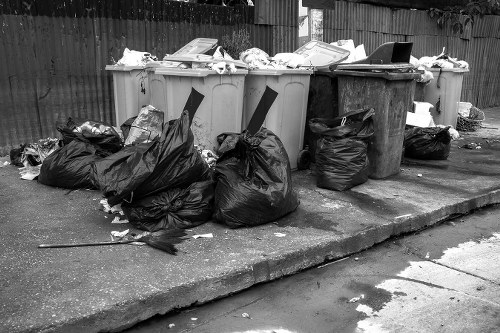
Commercial waste removal in Charlton should make it easier to keep business premises orderly, compliant and ready for the next working day. Our service covers routine clearances, one-off removals and tailored collections for offices, shops, workshops and other commercial spaces that generate mixed waste streams. We handle the lifting, sorting and transport, so you can focus on day-to-day operations while waste is moved away in a practical, organised way.
The work can include bulky furniture, general commercial rubbish, office clutter, packaging, redundant fixtures and other non-hazardous materials that need to be removed without disrupting trading more than necessary. When a site has access issues, limited storage or a deadline for handover, a planned clearance can be more efficient than letting waste build up. Our aim is straightforward: to provide a sensible removal service that fits the job and the premises.
For a clear quotation, it helps to outline the type of waste, the amount involved and any access restrictions. If you are comparing service options, start with the most likely collection route and then refine it around timing, loading access and disposal needs. Tell us what needs removing and where it is located, and we can discuss the right approach.
Business waste collections and regular clearance
Many Charlton businesses need waste removed as part of an ongoing premises routine rather than as a single large project. Regular commercial collections can suit offices, premises with customer-facing storage areas, and workplaces where packaging, paperwork, old stock or general rubbish accumulates steadily. A repeatable arrangement helps maintain usable floor space and reduces the likelihood that waste begins to interfere with stock handling, staff movement or presentation.
We can also support occasional clearances where a business only needs help at certain times, such as after an internal rearrangement, a seasonal tidy-up or the end of a tenancy period. In those cases, the value of the service is usually in removing a mixed load efficiently and leaving the area ready for the next stage. If you are planning a collection, a simple checklist of items, locations and access points can make the quotation process easier. A short message is often enough to request a quotation.
What can typically be included
Commercial waste removal is often broader than people expect, because business premises generate several small waste categories at once. Common examples include packaging, broken office items, obsolete equipment that is no longer in use, shelving, display units, bagged rubbish and other non-hazardous debris. The service is designed to remove these items in a controlled way rather than leaving you to piece together different disposal arrangements.
Office and workspace clearances

Office waste removal is useful when rooms, corridors, meeting areas or storage cupboards contain items that no longer serve a purpose. That might include desks, chairs, filing cabinets, partition sections, small appliances, confidential paper ready for secure handling and general office clutter. Clearing these materials can help a workplace feel more workable, especially when teams are reorganising desks, moving departments or preparing a property for return.
Where the premises include reception areas or shared access routes, a sensible clearance plan matters. Items may need to be moved in stages, taken from upper floors, or collected with care around lifts, stairways and existing furniture. We can discuss the nature of the office load and decide whether the job is best handled as a single collection or a phased removal. If you are shortlisting providers, it is worth comparing the services that match the actual contents rather than using a one-size-fits-all approach.
Useful office collections are usually defined by what needs to go, not by the size of the room alone. A small office with awkward bulk items may need more planning than a larger room containing straightforward bagged waste. The clearest enquiries mention the items, any obstacles and whether the removal must happen before staff arrive, after hours or during a quieter period. That level of detail helps shape the work without unnecessary back-and-forth.
Bulky items, furniture and specialist disposals
Some commercial clearances are driven by bulky items rather than everyday rubbish. Furniture disposal can include tables, seating, cabinets, shelving, storage units and other furnishings that are no longer needed after a refurb, relocation or change in layout. These items often take up more space than expected, and they can quickly make back rooms, offices and storage areas awkward to use if they are left waiting for disposal.
We also deal with selected specialist items where the disposal route matters, such as fridges and appliances, mattresses and sofa items, or other waste that needs a more considered handling process. The practical point is not simply to remove heavy objects, but to remove them in a way that matches the item type and the site conditions. If a clearance contains a mix of furniture and general waste, it is often easiest to plan the load together so the work stays orderly from start to finish.
- Single bulky items from offices or commercial rooms
- Mixed furniture loads from refurbishments or relocations
- Old appliances that need separate handling
- Combined clearances with general rubbish and packaging
How we plan a commercial collection
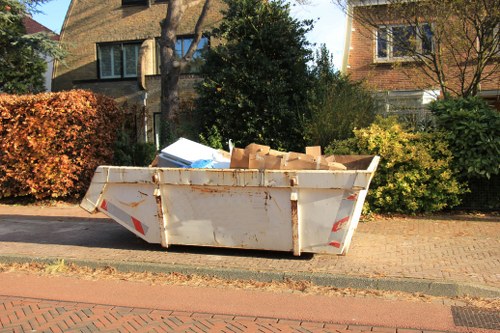
A good commercial collection usually begins with a clear description of the items and the access conditions. For many jobs, that means noting how much waste there is, whether it is already grouped together, and whether the collection point is easy to reach. If the premises has loading restrictions, narrow corridors or shared access, mentioning that in advance can help avoid delays and make the visit more efficient.
We may also ask whether anything needs separating before collection, especially where business waste includes a mixture of general rubbish and items that should be treated differently. If the job involves files, stock, office furniture or appliance disposal, grouping the information sensibly makes it easier to choose the right service. A concise description is usually enough; photographs can help too, particularly when the load is awkward, but they are only one part of a useful enquiry. What matters most is accuracy.
When you are ready, it is sensible to compare the likely scope with the route that best suits the premises. That can mean a single removal, a larger one-off clearance or an ongoing arrangement for regular commercial waste. The aim is to match the service to the contents, so you are not paying for a broader solution than you need.
Pricing factors and quotation details
Commercial waste removal pricing usually depends on several practical factors rather than one simple measure. The type of waste, its volume, the time required to load it, and the disposal requirements all influence the final figure. If the waste is easy to access and already grouped, the job may be more straightforward than a mixed clearance spread across different rooms or floors. Likewise, a load containing bulky items may need a different approach from bagged rubbish alone.
When you ask for a quotation, it is helpful to mention any special circumstances that could affect the work, such as parking limitations, restricted access, lifting challenges or the need to work around customers or staff. This does not have to be a long message. A few accurate notes can help frame the request, especially where the site is active and time is limited. If you are comparing options, look at the service scope alongside the quote so you can judge what is included.
For clear, practical next steps, send the waste type, the approximate amount and the collection location. If the job is urgent or part of a property changeover, say so plainly. Request a quotation today and we can help shape the right collection plan for your premises.
About Charlton
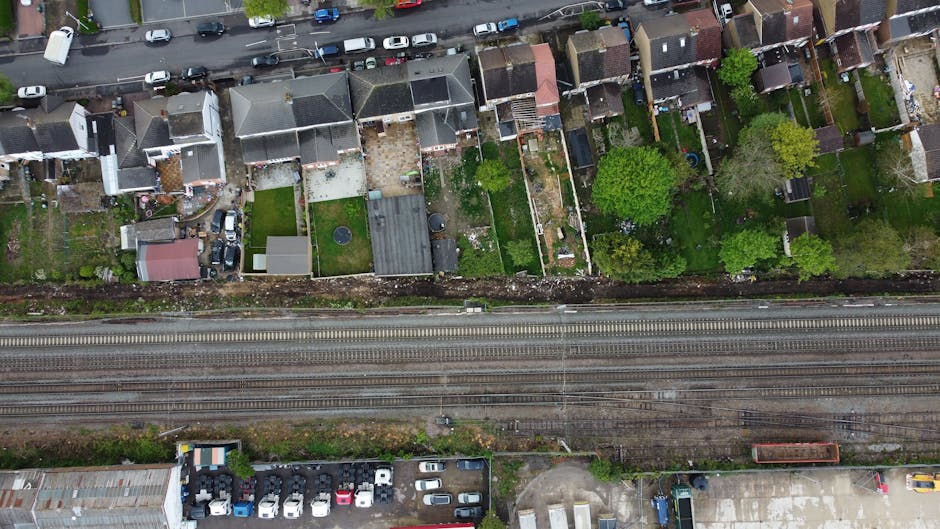
Charlton is an area in south-east London with a long association with riverside industry, residential growth and changing patterns of land use. It sits within the Royal Borough of Greenwich and has a character shaped by its position near the River Thames, the historic route of Charlton Church Lane and the wider transport corridors that connect the district with neighbouring parts of London. One of its best-known landmarks is Charlton House, an early seventeenth-century Jacobean mansion completed in 1612, now standing as a reminder of the area’s earlier country-house landscape. Nearby, St Luke’s Church adds another layer of architectural interest, while the churchyard and older street patterns preserve a sense of continuity amid later development. The area also includes the landscaped open space of Maryon Park and the larger green expanse of Charlton Park, both important local features that give the district more breathing room than a densely built inner-city setting. To the south and east, the area rises towards Blackheath and Woolwich, while to the north the Thames corridor has influenced freight, trade and redevelopment over many decades. Charlton’s built environment mixes terraces, post-war housing, retail parades and commercial premises, with the modern presence of large venues and industrial estates sitting alongside older residential streets. The district’s history reflects wider changes across Greenwich: agriculture and country estates gave way to transport links, manufacturing, dock-related activity and later regeneration. As a result, Charlton remains a place where historical layers are visible in the street plan, the surviving parks, and the contrast between older landmarks and modern commercial use.
Waste types we can help remove
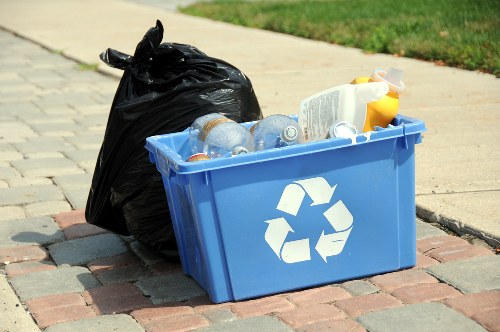
Commercial waste removal is most effective when the waste stream is described accurately, because the type of material affects how the job is approached. We can help with general business rubbish, redundant office contents, bagged waste, packaging, cardboard, shelving, old stock and mixed non-hazardous items gathered during a tidy-up. Where a workplace has accumulated a range of materials over time, the key is to distinguish what needs lifting from what should stay in place.
For some businesses, the priority is clearing everyday clutter. For others, the issue is a more defined category such as furniture, appliances or clearance items from a particular room. That distinction matters because it helps shape the disposal route and the loading method. Mixed loads are common, and they are often simplest when sorted into a practical list before the collection is arranged. If you are unsure whether a particular item fits the service, it is better to name it clearly than to generalise.
Businesses also sometimes need help at the end of a lease, after decorating or when changing a layout. In those situations, the waste may include a combination of old furniture, small fixtures and assorted rubbish. The benefit of a structured removal is that it brings these pieces together under one plan instead of leaving you to coordinate several separate jobs.
Access, timing and site considerations
Commercial premises often need a collection arranged around opening hours, deliveries, shared entrances or customer movement. Those practical details are just as important as the waste itself, because even a straightforward load can become awkward if access is restricted. If the collection point is upstairs, behind secure doors or through a narrow route, the best approach is to describe that at the outset so the removal can be planned properly.
Timing can also matter when businesses want to minimise disruption. Some collections are best scheduled before the day begins, some after trading hours, and some at quieter points in the week. It is worth saying if the job needs to fit around staff or public access, because that can influence the order in which items are taken away. Two or three precise notes are often enough to make the job easier to organise.
If the premises is already partly cleared, the collection can often be more direct because the waste is easier to identify and load. If not, a brief discussion about what remains in place can help prevent surprises. Either way, the aim is to keep the process simple, with the waste removed in a way that suits the building and the schedule.
Why businesses choose a structured removal service
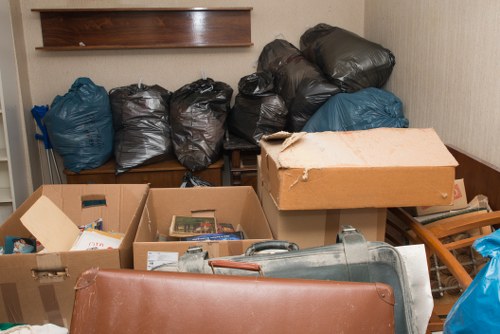
Commercial waste removal is not only about taking items away; it is also about keeping a working environment manageable. When waste begins to collect in storage rooms, corridors or unused corners, it can affect movement, organisation and the use of valuable space. A structured service gives businesses a clear route for removing unwanted items without having to improvise a disposal plan each time waste builds up. That is particularly useful where premises need to stay presentable for staff, visitors or handover checks.
Another benefit is consistency. If you know what kinds of waste are likely to arise, it becomes easier to choose between a single clearance, an occasional collection or a more regular arrangement. Some sites only need help with bulky items now and then, while others generate recurring waste that is better handled in a steady way. We can talk through the scope and help you decide which pattern suits the premises most sensibly. Keep the request clear, and the next step is usually straightforward.
When you are ready to move ahead, the simplest approach is to describe the waste, the location and the access details in one message. That gives us enough information to discuss a practical quote and decide how the collection should be handled. If you would like to proceed, please request a quotation now.